
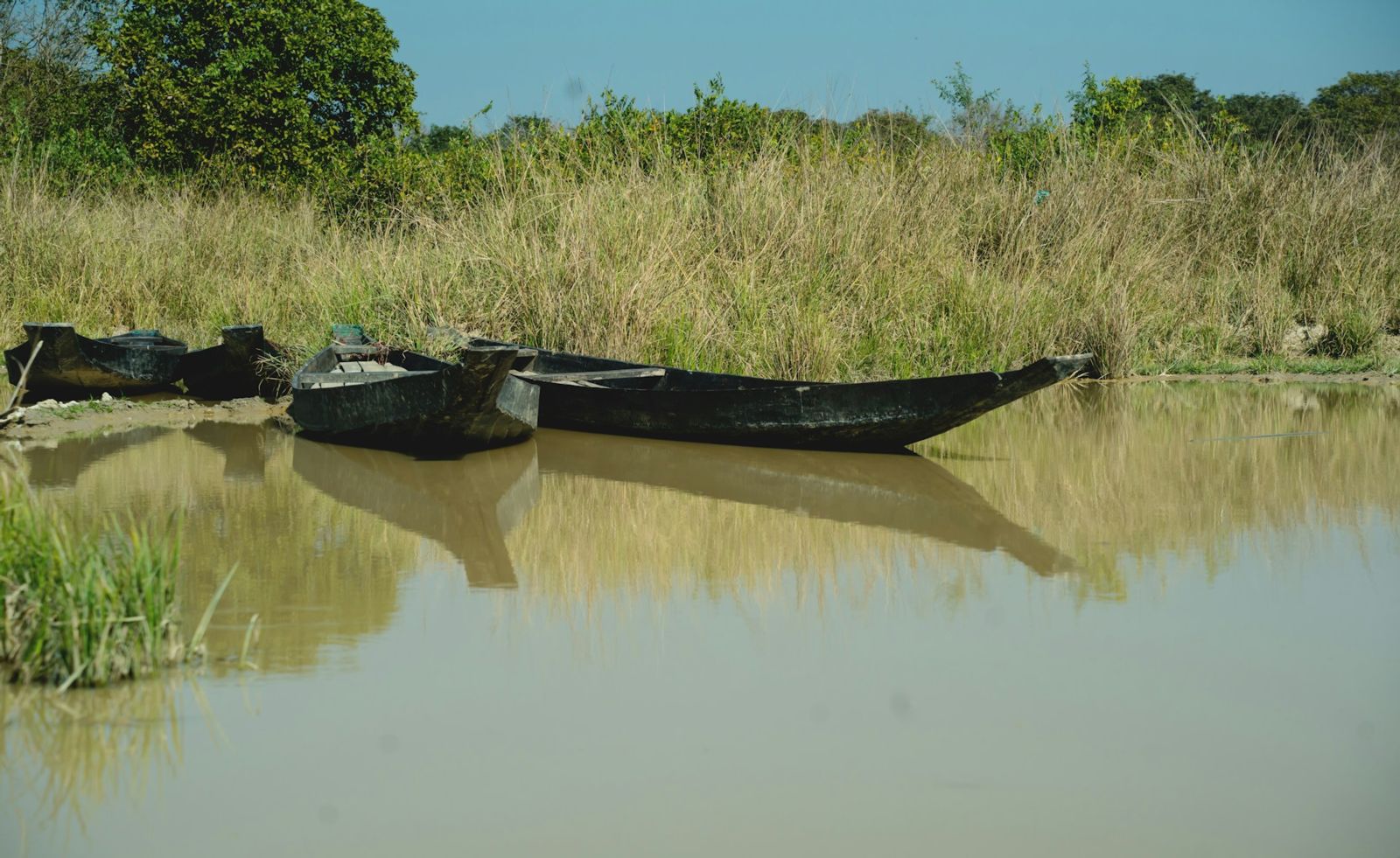
Haors, marshy wetlands located mainly in northeastern Bangladesh, are central to the livelihoods, ecology, and culture of surrounding communities. They support fisheries, agriculture, and seasonal livelihoods for millions of people but are among Bangladesh’s most fragile and valuable ecosystems.
Unplanned development, illegal encroachment, and environmentally harmful activities have long threatened haors. Increasing pressure from human activity and the environmental degradation it causes has led to a gradual decline in biodiversity, disruption of natural water systems, and, ultimately, dramatic impacts on both nature and human survival.
The Constitution of Bangladesh requires the state to safeguard natural resources, biodiversity, and wetlands for both present and future generations. For years, this requirement remained largely on paper. But a recently introduced law, the Bangladesh Haor and Wetland Conservation Act, 2026, takes steps toward making the state’s responsibility to protect the environment and the rights of people who depend on it meaningful in practice.
Conservation, impact assessment, and accountability
Significantly, the new law begins to treat wetlands not as empty, developable land but as living ecosystems that require protection and nurturing. It requires the government to prepare an official list of haors and wetlands and to develop a long-term plan for their conservation and sustainable use. Moreover, the law includes local communities and stakeholders in these processes, recognizing the voices of those who depend on haor ecosystems in their management.
It also introduces clearer control over development activities in these sensitive areas. Any project, whether public or private, must now pass an assessment of its impact on biodiversity, water flow, and local livelihoods before it can proceed. This step is especially necessary and timely in a country where environmental degradation often accompanies rapid economic growth.
Another important feature of the law is its focus on accountability, requiring those responsible for environmental damage to pay compensation or take proper steps to remediate harms. Those who fail to comply may face legal consequences. This meaningfully strengthens the enforceability of environmental protections, especially when compared to existing laws like the Bangladesh Environment Conservation Act, 1995. The delayed enforcement and fragmented coordination characteristic of these laws allow illegal encroachment and pollution to persist. The new law further strengthens enforcement by enabling authorities to take swift action against violators by bringing cases to mobile courts under the Mobile Court Act, 2009.
Economic development comes with consequences
The law has wider implications for corporate activities. Bangladesh’s economic growth, brought about by increased industrialization and commercial expansion, has also placed pressure on natural ecosystems. In many cases, local communities bear the brunt of environmental costs, and their ability to hold responsible parties liable has remained constrained. The new law requires those undertaking economic activity in haor and wetland areas to respect environmental stewardship.
The right to life, which courts in Bangladesh have increasingly interpreted as including the right to a healthy and safe environment, cannot be fully realized if ecosystems like haors continue to face neglect. Wetlands play a crucial role in maintaining ecological balance, preserving biodiversity, and protecting communities from environmental vulnerabilities. The survival of people living near haors rests on the health of these regions. Their livelihoods depend heavily on fishing, agriculture, and the use of the wetland ecosystem’s other natural resources. As unplanned development and the environmental degradation, pollution, and climate-related impacts it brings continue, local communities face growing threats to food security, economic stability, and safety. The destruction of wetlands, therefore, exceeds narrowly conceived ideas of environmental harm; it directly affects the well-being of the people who rely on these ecosystems.
Implementation: the true test
The real test of Bangladesh’s new law lies not in its promises but in its implementation. Weak enforcement and a lack of accountability have often limited the effectiveness of previously passed environmental laws. Without proper enforcement, even laws that appear strong on paper may fail to bring real change.
If effectively enforced, this law has the potential to realize under-implemented constitutional guarantees and strengthen the connection between environmental protection and human rights.