
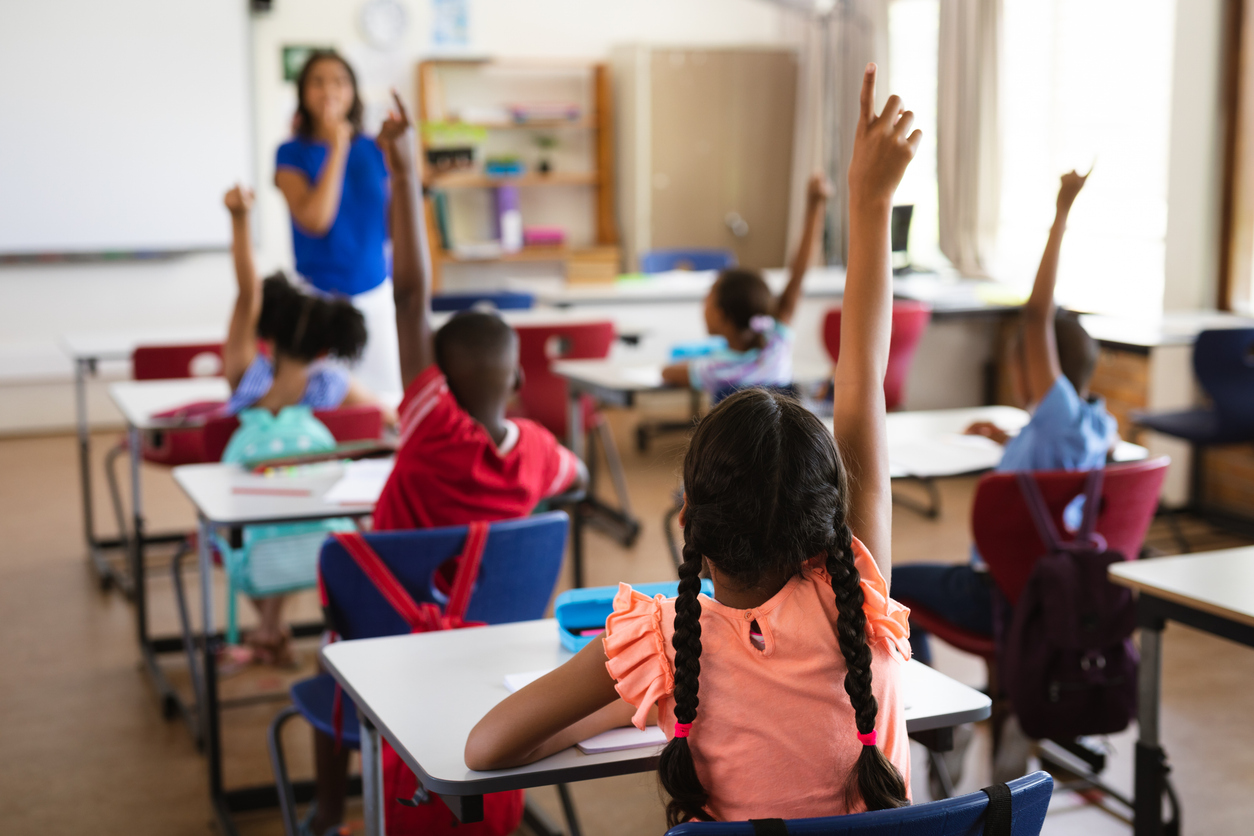
In 2023, Florida became the first of several states to sanction classroom use of PragerU materials. The decision came with little fanfare—no public hearings, no teacher input sessions, no student voices at the table. Within months, animated videos featuring Christopher Columbus defending enslavement and Frederick Douglass praising the United States' record on slavery began supplementing curriculum in Florida's public schools.
What is PragerU?
PragerU presents itself as an educational institution, but in reality it is an unaccredited conservative media organization. Founded by talk radio host Dennis Prager, it produces short ideological videos packaged as innocuous edutainment. Independent experts warn that these materials often blur the line between education and advocacy. Education historian Jonathan Zimmerman has noted that the central problem is not always outright falsehoods but ideological interpretations presented as objective facts. One notable segment, for example, equates “wokeism” with radical Islam.
PragerU’s influence extends beyond curriculum. In Oklahoma, state officials adopted an “America First” teacher exam aligned with PragerU‑produced materials—raising concerns that ideological allegiance will influence hiring decisions. At the federal level, the White House has also partnered with PragerU to produce AI-generated “Founders” content.
The state-backed expansion of PragerU’s inaccurate historical narratives for classroom use and adoption of tools like the “America First” teacher exam threaten not only educational integrity standards and democratic accountability but also internationally recognized children’s rights. The UN Convention on the Rights of the Child (CRC) enshrines children’s rights to accurate information, diverse perspectives, and developmentally appropriate learning environments. Adopting partisan educational materials undermines the conditions children need to form independent, informed views of the world and conflicts with the obligations of the CRC.
Education policy and children’s rights
In the US context, international children’s rights standards provide useful benchmarks for assessing education policy, complementing state constitutional guarantees, federal civil rights law, and professional education standards. However, the United States has signed but not ratified the CRC, meaning that it can serve as an authoritative source of international guidance and persuasive norms but not a legal instrument.
PragerU’s ideologically driven content replaces pluralistic education with politicized narratives, narrowing children’s understanding of the world and flouting these internationally recognized standards on their rights. When states adopt PragerU materials without meaningful public oversight or student participation, they erode the rights that should guide educational policy.
Erosion of democratic oversight
Public education is meant to serve the public, not private ideological interests. Curriculum decisions should be made by educators, child development specialists, and elected school boards—not outsourced to partisan media organizations. PragerU’s expansion into state-approved lesson plans, teacher certification tests, and federally supported educational programming directly bypasses transparent, democratic oversight of these decisions.
The erosion of oversight coincides with a broader wave of laws censoring what teachers can say about race, gender, and history that are sweeping state legislatures. These legislative restrictions have significantly narrowed educators’ ability to address complex historical and social topics in classrooms and shunted conversations toward prepackaged ideological content.
Scholars warn that when states allow ideological control over curriculum—or outsource it to private groups—they distort the civic purpose of schooling. The result is an education system that no longer reflects democratic input or pluralistic values.
PragerU’s state partnerships realize this warning. By embedding its materials within official approval pipelines, the organization gains influence without having to answer to parents, students, or educators.
Developmental vulnerabilities
The problem is not only political—it is developmental. Decades of child development research show that adolescents are uniquely vulnerable to ideological manipulation, particularly when exposed to simplified narratives disguised as neutral truth. Research from UNICEF on children’s exposure to digital misinformation warns that environments dominated by one-sided explanations of complex issues can leave young people more vulnerable to manipulation and extremist framing. This, in part, is because adolescence is a period uniquely marked by an instability of identity and heightened susceptibility to rigid moral binaries or simplified worldviews.
UNICEF’s global research on digital misinformation further shows that restricting children’s access to diverse information sources weakens their ability to evaluate claims, recognize bias, and resist manipulative messaging. When schools replace vetted curricula with partisan materials, they create precisely the conditions for the flourishing of extremism.
Developmental neuroscience reinforces UNICEF’s concern. Adolescents’ cognitive control systems mature more slowly than their emotional and reward systems, making persuasive narratives particularly influential. Embedding ideological media into classrooms exploits these very developmental vulnerabilities.
Harms to vulnerable students
The consequences of politicized curricula are already visible. In Oklahoma, critics argue that screening applicants using the PragerU-designed “America First” exam is worsening the state’s teacher shortage.
When classroom materials rewrite history to minimize slavery or exclude LGBTQ+ students, the harms inevitably fall most heavily on those individuals marginalized or erased by these curricula. Immigrant and undocumented families, for instance, are increasingly withdrawing their children from schools due to fear created by politicized educational environments.
These harms are not abstract. They shape whether children feel safe, informed, and welcome in their classrooms.
Protecting the integrity of public education
PragerU’s growing influence powerfully sidelines children’s rights and democratic oversight in favor of partisan control.
States must require transparent review of educational materials, prohibit nonaccredited ideological vendors from shaping curriculum, and protect teachers’ professional autonomy. Education policy needs to center children’s rights—including access to diverse information and rights-respecting learning environments—and reinvest in public schools instead of outsourcing educational authority to political media organizations.
Protecting children means protecting the integrity of their classrooms. The stakes could not be higher.