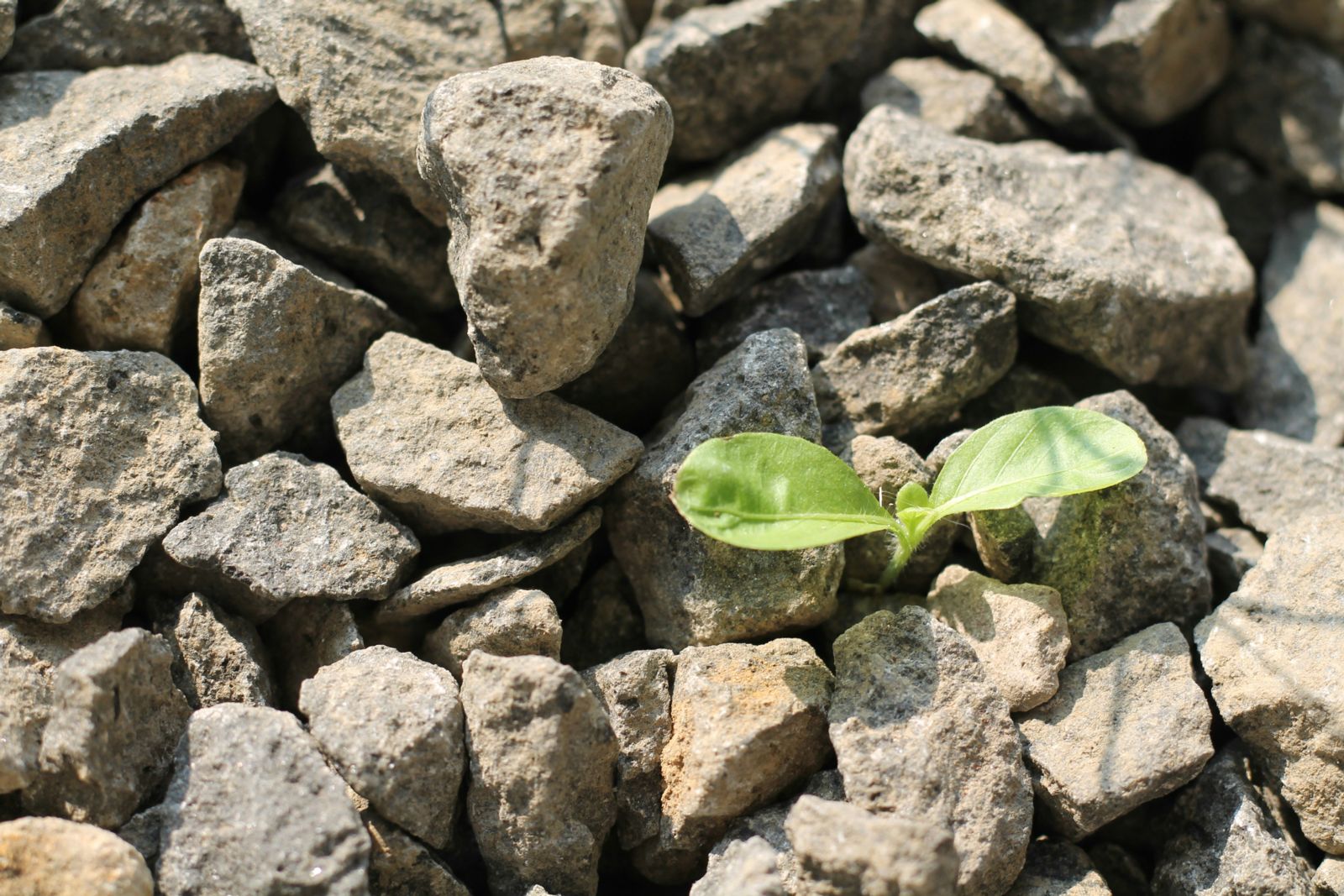
“I am resilient, otherwise I would not be here talking to you.”
These words, spoken by a human rights defender from India in an interview with the authors, reflect the truth behind many recent human rights headlines: resilience already exists. Activists and NGOs, particularly in the Global South, were born out of crises and the imperative to confront them. The current crisis is unprecedented on many levels. It is global, striking at the heart of what we believe in and fight for. And the governments driving it enjoy public support, even as they misuse that support to serve their own ends.
The human rights field is under sustained assault worldwide, from the United States to Hungary and El Salvador. The far right is weaponizing nationalism and fear, dismantling protections, and criminalizing dissent. Civic space is shrinking dramatically. It is a perfect storm of repression converging with retrenchment. NGOs and activists are urged to “stay strong” while the very foundations of their survival erode.
The question is not if human rights actors are resilient. They are. The question is whether we can cultivate a form of resilience rooted in systemic, political, and human transformation.
Resilience is political, not just personal
In 2024, we interviewed 48 activists, donors, and researchers across the Global South and North to understand how those in the human rights field conceive of and build resilience—and what more can be done. A complex picture emerged from these interviews and related secondary research. We identified conditions and capabilities on multiple levels—from individual to field—needed to cultivate resilience. Our conclusions confirm what many already know: Resilience is not simply an individual trait or organizational outcome. In reality, it’s deeply multidimensional and shaped by power relations, by context, by structural inequality, and by whether those who control resources choose to listen or impose their own priorities.
Many activists—particularly those rooted in feminist and anti-racist movements—expressed discomfort with how “resilience” has become a buzzword in civil society and funding circles in recent years. They felt that such a faddish misuse of the term often fails to confront the root causes of oppression—or worse, shifts responsibility back onto already-exhausted defenders. As one of our interviewees told us, “Resilience is often promoted through patriarchal, capitalist worldviews that encourage complacency, resignation, and the preservation of the very status quo that created the need for resilience in the first place.”
What defenders are calling for isn’t less pressure but rather more honesty about what resilience really means, and who is accountable for it.
A Holistic Framework for a Complex Reality
Our study redefines resilience around four pillars, which we call the 4 Cs: Complexity, Context, Cultivation, and Care.
Resilience is complex. It cannot be reduced to a checklist or captured by organizational capacity development metrics. It spans individuals, organizations, networks, and donors—all of whom are necessary for a thriving civil society ecosystem.
Resilience unfolds differently depending on context. What works in one place may fail in another. Power dynamics, cultural histories, and political risks all shape how defenders respond and recover.
Resilience must be cultivated. It doesn’t appear automatically. It needs intentional investment in leadership that shares power, in communities that hold space for healing, and in institutional policies that center equity and well-being.
Resilience requires care as a political act, not an afterthought. Rest, protection, emotional support, and community are not luxuries. They are tools of resistance.
What we’ve come to call the Holistic Resilience Wheel captures this vision. It outlines 14 interconnected and mutually reinforcing conditions and capacities that help resilience take root and flourish. These enablers of resilience fall into three areas: Hope, Care, and Protection; Financial and Economic; and Participation and Power. As one activist noted, “There is more to resilience than organizational strengthening. It’s about the conditions that allow us to keep fighting—and healing—together.”
Not every part of the Wheel will be relevant for everyone, and we acknowledge that it is not exhaustive. Crucially, not all elements need to be in motion for the Wheel to turn. What matters most is intentionality, prioritization, and autonomy—all of which determine the needs of an individual or organization.
Funders must embrace shared responsibility
Under increased scrutiny, many private philanthropy organizations are either shifting their focus or proving too hesitant to counter the trillions of dollars fueling anti-rights initiatives. At a moment of rising repression and dwindling foreign aid budgets across the Global North, philanthropic institutions are unwilling or unable to respond with the urgency and scale required.
Participants in our study overwhelmingly called on funders to rethink how they operate: to offer flexible, long-term support; reduce reporting demands; and engage in relationships based on trust rather than control. Yet, in the current climate, some funders have still been hesitant to change their practices.
What’s needed is a commitment to transformation. That means funding practices that confront power imbalances, allow for experimentation and rest, and make room for grantees to define success in their own terms. The role of funders, then, is not to prescribe what resilience should look like but to listen, support, and create space for it to grow.
Resilience already exists—but it needs support
Activists have always persevered in the face of adversity. Resilience is already alive in the hope, courage, and adaptability of those who keep showing up. Yet these efforts often go unrecognized or unsupported. “Turbulence, crises, and disruptions are regular occurrences. Resistance and adaptation are both in our DNA,” said one participant.
What’s happening now is not just another difficult year or two. It’s a global inflection point for the human rights movement. Authoritarian leaders are testing the limits of impunity. Donors are recalibrating their priorities. The frontline is becoming lonelier.
But this moment can also be an opportunity to have honest conversations and truly change how resilience is understood. This is an opportunity to begin approaching resilience not as an individual burden but as a responsibility shared among activists, organizations, and the donors supporting them.
The executive summaries of the research "Resilience with the 4Cs" that gave rise to this article can be read at the following links: in English, in Portuguese and in Spanish.
