
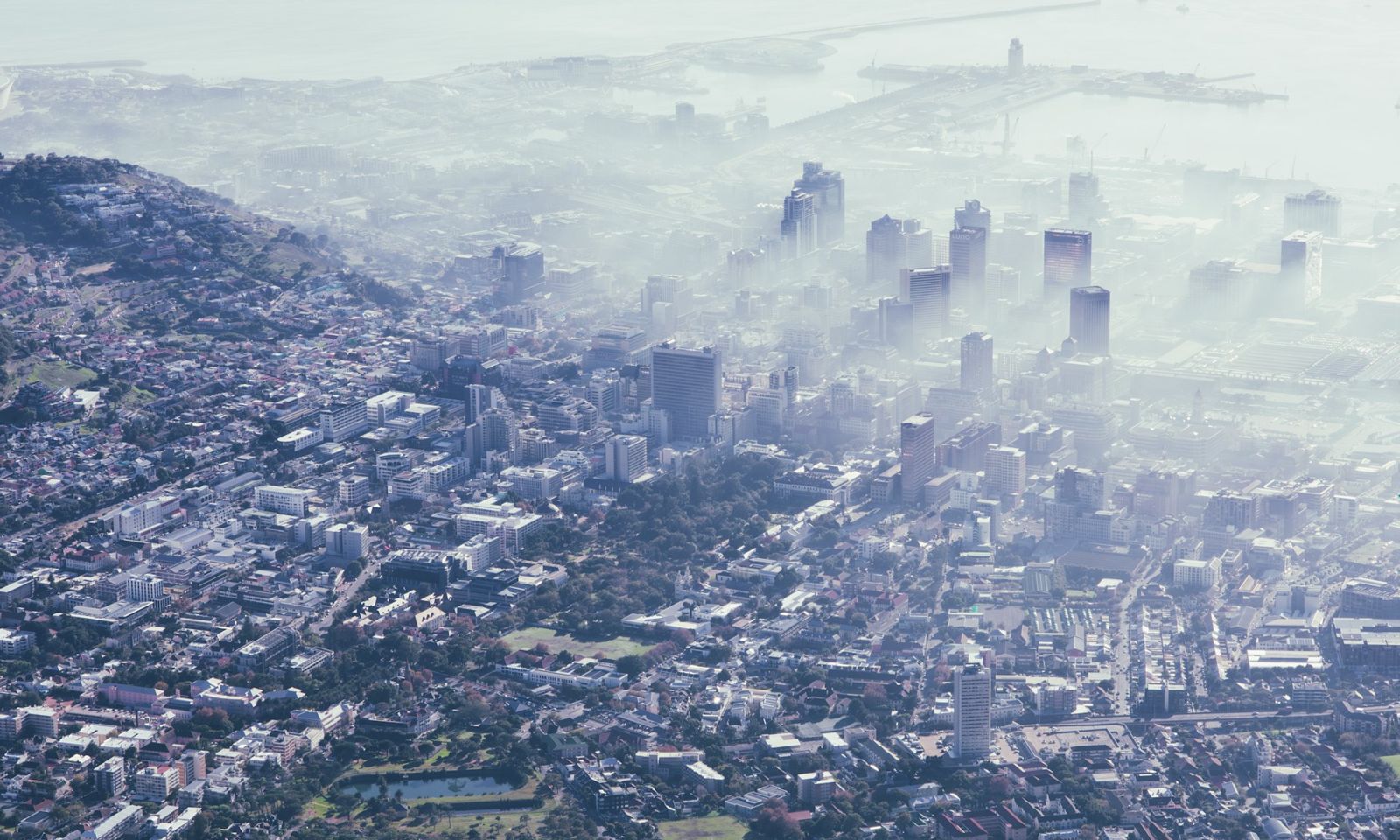
Thirty-two years after the end of apartheid, South Africa is the most unequal country in the world, and Cape Town is one of the most unequal cities in the world. The consequences of the apartheid government’s social and spatial engineering continue to impact mobility, access to resources, and the capability of residents to exercise their right to the city. Henri Lefebvre first conceptualized access to and participation in urban spaces as the right to the city in 1968. Barriers to involvement in urban life—which is to say, barriers that deny residents their right to the city—also constitute a violation of human rights.
In South Africa, the right to the city is indivisible from the right of systemically marginalized groups to live in the city, access resources, explore opportunities for employment and recreation, and participate in planning and decision-making processes. In Cape Town, the enduring legacy of apartheid—alongside intersecting and overlapping forms of oppression including ableism, xenophobia, racism, ageism, sexism, queerphobia, and discrimination against Indigenous people—continues to hamper the ability of many to enjoy and help shape urban life.
Apartheid and youth resistance
In 1953, the South African government enacted the Bantu Education Act, which severely limited Black South Africans’ access to education. It joined other oppressive legislation, such as the 1950 Group Areas Act, the 1952 Pass Laws Act, and the 1953 Reservation of Separate Amenities Act, to control movement through public space, employment, education, relationships, and access to housing for people racialized as Black, Asian, and “Coloured.”
Young people in South Africa played a key role in resisting apartheid and its policies. The 1976 Soweto Uprising, commemorated today as Youth Day, was a key moment in the struggle. What began as a peaceful protest led by Black school children against the Bantu Education Act ended with the police massacring hundreds of students. The violent response to the protest drew international condemnation of the apartheid state and signaled the collective power of youth activism.
The postapartheid Reconstruction and Development Programme (RDP) recognized the widespread negative impacts of the apartheid system on young people, including poor access to transportation and space for sports and recreation, and issued recommendations to address such damages. Furthermore, in 1995, the new democratic government of South Africa adopted and ratified, as its first international treaty, the UN Convention on the Rights of the Child, which protects all aspects of children’s lives, including access to education, rest, recreational activities, and cultural and artistic engagement.
Young people in South Africa today
Today, young people in South Africa remain acutely vulnerable in townships and informal settlements. Inequalities remain stark in the country’s education system, one of the most divided in the world. Often young people must travel long distances to access education. Historically disadvantaged schools have fewer resources and often suffer from significantly higher student-to-staff ratios. Furthermore, young people with disabilities face additional challenges in accessing education and essential recreational space.
However, in the Western Cape municipality, numerous organizations and groups are working to counter spatial inequality, increase access to housing, empower people-led housing solutions, and increase public participation in urban planning. Other local non-governmental and non-profit organizations specifically deliver support for young people living in townships and informal settlements. These programs often have a positive impact on well-being and access to education.
As well as providing safe spaces to socialize and play away from potential grooming and recruitment by gangs, these programs sometimes offer homework support and empowering mentor relationships. They also foster new friendships that in turn promote wider movement in the city and can help young people access other recreational spaces.
Such programs often ensure attendees’ transportation to and from activities, but promoting access to transportation more broadly is vitally important to supporting young people’s right to the city. In 2025, the Western Cape Government coordinated a mobility-based partnership among the South African Football Association Cape Town, MTN South Africa, and Golden Arrow Buses. The partnership provides preloaded smart cards to facilitate travel to soccer grounds for match days and training sessions. This initiative could provide a model for improving wider access to the city, and an expanded program could potentially include educational engagements covering transportation infrastructure, road safety, and travel planning.
Toward sustainable mobility and access
Apartheid’s enduring legacy in South Africa still shapes access to basic rights for systemically marginalized communities. While they do not directly address the spatial legacy of apartheid, social grants—such as the COVID-19 Social Relief of Distress grant, which has recently been extended until March 2027—demonstrably improve beneficiaries’ quality of life. Expanding the reach and effectiveness of such grants is an important priority. The Universal Basic Income Coalition, for example, continues to campaign for the introduction of a UBI grant that would meet the upper bound poverty line.
The success of existing grants indicates the potential impact of a comprehensive youth transportation scheme. In postapartheid South Africa, facilitating access to and removing the financial burden of urban mobility for young people would challenge the social and spatial legacy of apartheid and create further opportunities to participate in urban life and form new friendships. If South Africa’s young people are to exercise their right to the city thoroughly, government at the national and local levels must act to facilitate their mobility and access to recreational, educational, and social opportunities.