
In Ecuador, a country known for its biodiversity and agricultural production, is a story that reveals the profound impacts of global supply chains: the Furukawa Plantations C.A. case. This case has exposed one of Latin America’s starkest examples of modern slavery, providing a crucial lesson for the future of corporate accountability.
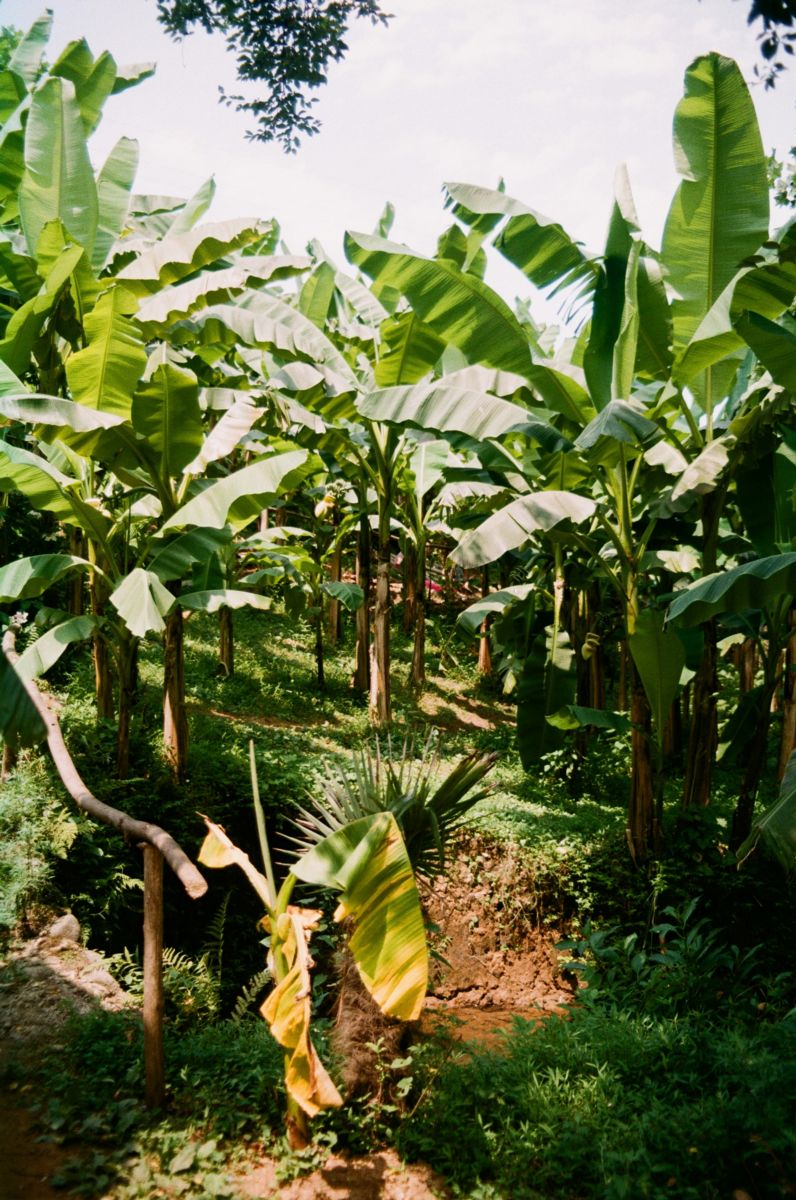
In Ecuador, the company Furukawa C.A. owns plantations that produce abaca—a fiber commonly used in products such as paper money, tea bags, and sustainable packaging materials. For more than half a century, hundreds of families worked in inhumane conditions on these plantations, without access to basic services, job security, or formal employment contracts.
This case holds an uncomfortable mirror up to the global economic system. The abaca fibers produced and cultivated on Furukawa’s farms are sold in Japan, the United States, and Europe under the guise of “sustainability and environmental responsibility,” despite the fact that workers remained trapped in cycles of intergenerational inequality and systemic violence.
From silence to sentencing
The case against Furukawa was initiated in 2018 by local organizations that include the Regional Foundation for Human Rights Advice (INREDH), the Ecumenical Human Rights Commission (CEDHU), the Solidarity Committee Furawaka Nunca Más (Never Again Furawaka Solidarity Committee), and the Ecuadorian Ombudsman’s Office. The case was motivated by complaints from Afro-descendant families living in camps without any basic services, as well as victims of child labor violations, mutilations, and overcrowding.
During the hearing of the case, harrowing testimonies were presented: in the camps, children were born and raised without documentation, women were abused, and workers received minimal or in-kind payments. Finally, through a 2023 court ruling, the Ecuadorian state was found liable for omission: The state had failed to oversee and protect the rights of the affected communities, and the court ordered comprehensive reparation measures.
Although Furukawa is comparable to other emblematic cases in Latin America where courts have recognized modern slavery practices within export value chains—such as La Pampa (Peru) or Consorcio Cargill (Brazil), in Ecuador—private companies were directly linked to systematic violations, challenging the notion that the primary responsibility lies solely with the state.
A global mirror
The Ecuadorian case highlights a common pattern in the Global South—the coexistence of sustainability policies and extractive practices based on labor precariousness. According to the International Labour Organization (ILO), almost 28 million people currently live under conditions of forced labor, many of them linked to supply chains that primarily supply brands from the Global North.
Comparing the Furukawa case with other precedents, such as Rana Plaza (Bangladesh) or allegations of forced labor in the cocoa industry in West Africa, Furukawa reveals that modern slavery is not an isolated phenomenon. Instead, it is a structural component of the global economy, in which multinational companies use outsourcing as a tactic to benefit from the lack of transparency and effective regulation in countries with weak public institutions.
Corporate responsibility and due diligence
The recent approval of the European Union’s Corporate Sustainability Due Diligence Directive (CSDDD) and Regulation on Deforestation-Free Products (EUDR) requires companies to identify, prevent, and mitigate negative impacts on human rights and the environment throughout their supply chains. These measures also encourage states to implement control and regulatory policies, as well as measures to comply with these regulations, for the export of raw materials.
Cases like Furukawa’s demonstrate why these laws are crucial: Without binding mechanisms, good practices simply remain at the level of discourse. The current challenge, however, lies in ensuring that the voices of victims in the Global South have real weight in the implementation of these standards. National courts, such as Ecuador’s, are leading the way, but global coordination is essential to ensure that sustainable products are not tainted by exploitation and violence.
Justice and reparation beyond paper
While the court ruling in the Furukawa case represents a symbolic victory both nationally and internationally, its implementation has faced several obstacles. Furukawa’s victims continue to await compensation, land, access to housing, and decent work opportunities. Reparation cannot be limited to compensation, but must include guarantees of non-repetition, inclusive public policies, and the active participation of affected communities.
The Furukawa case forces us to rethink the very concept of corporate responsibility, demonstrating that the implementation of traceability systems and voluntary audits is insufficient. Instead, a structural transformation in how we understand production, consumption, and social justice in the twenty-first century is needed.
This case is not only a national tragedy, but a reminder that as long as global corporations continue to profit from inequality, sustainability will remain a false narrative, as countless abuses and violations may lie hidden behind every product exported under the “sustainable” label.
Ecuador has taken a historic step by recognizing modern slavery within its territory. However, true justice can only be achieved when no worker—whether in Latin America, Africa, or Asia—has to choose between survival and freedom.