Transitional justice for conflict-related sexual violence Although transitional justice has dedicated greater attention to gender and sexual violence since 1990, more work is still urgently needed. By Kathryn Sikkink & Oskar Timo Thoms
The story of NEAD Narrative engagement across difference is key to building collective power. By Julia Roig & James Savage Español
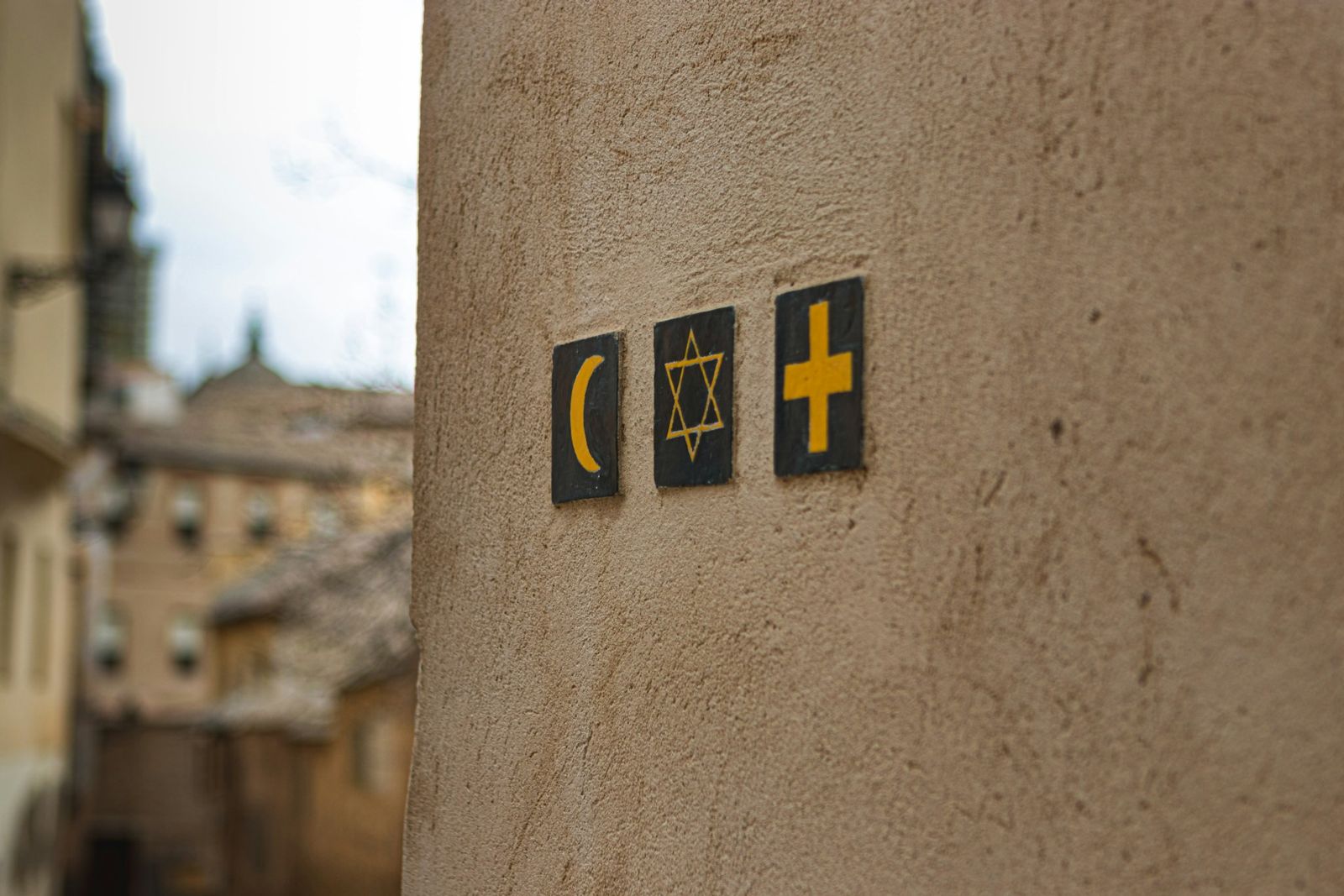
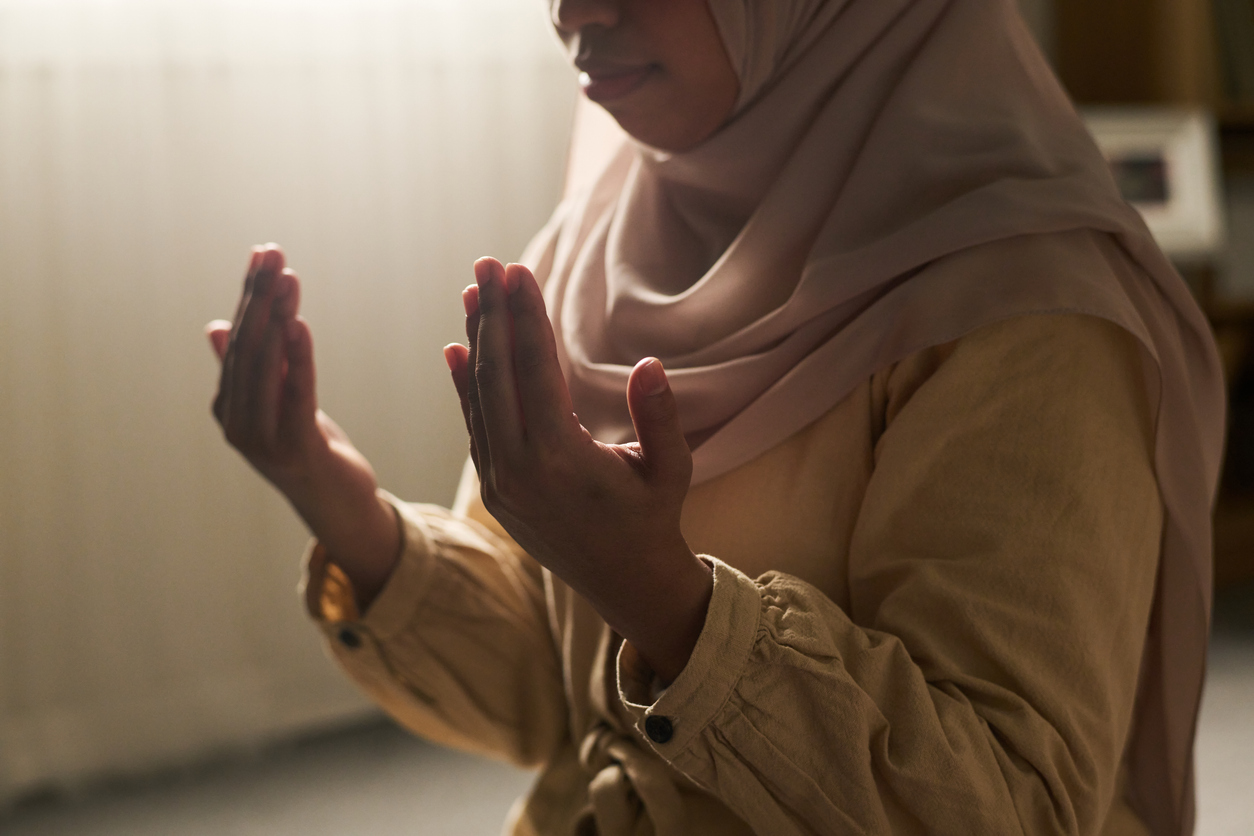
Beyond neutrality: faith as an anchor for human rights What does the human rights field risk by refusing to engage with faith communities? By Eberechukwu Owuamanam
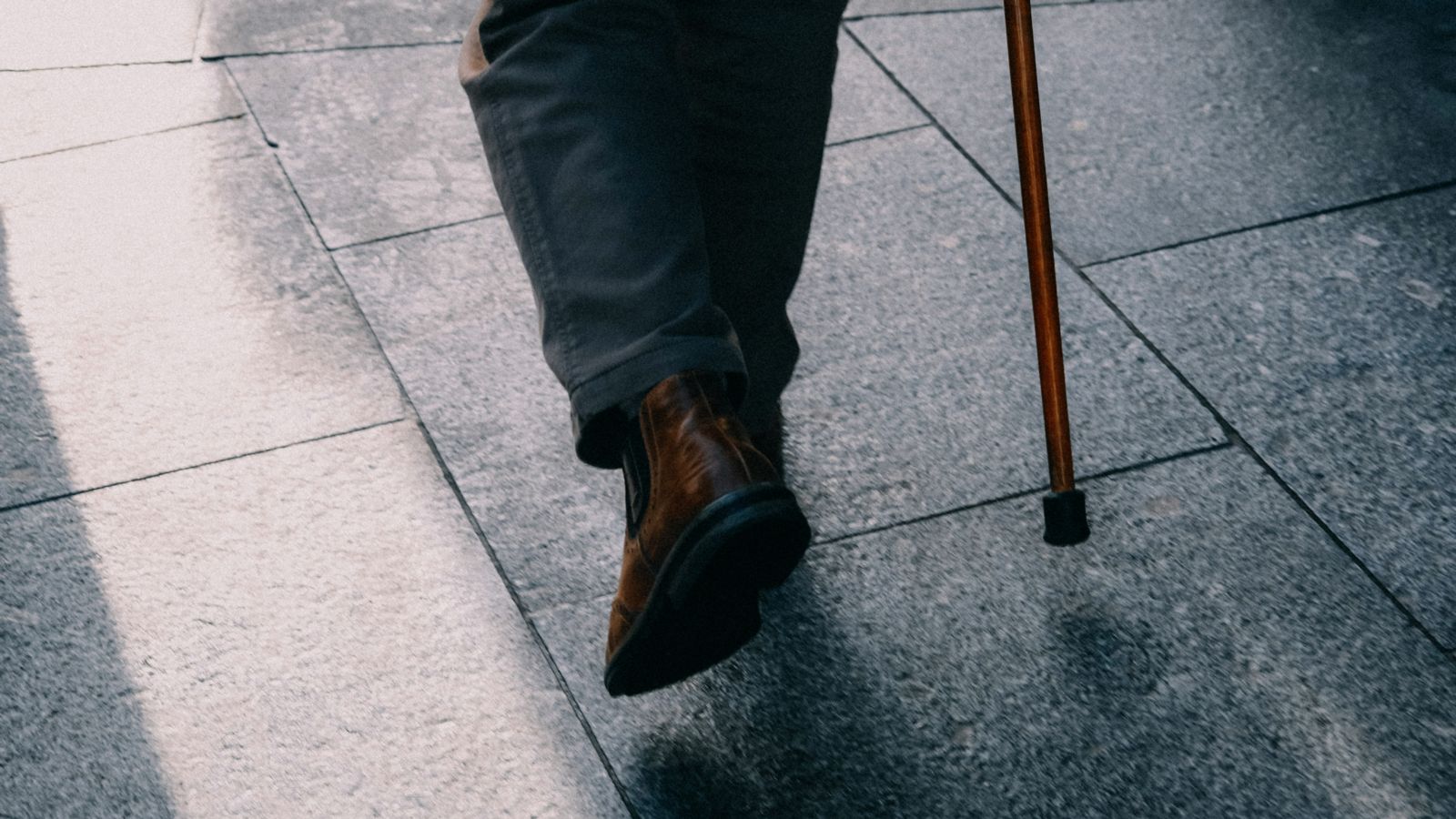
Who gets to walk? Disability and India’s cities The promise of India’s “right to walk” depends on whether cities prioritize accessibility for everyone. By Puneet Singh
Between despair and defensiveness: human rights progress in disorienting times A new global survey offers insights into how to understand and enable human rights change. By Lesley Carson & Ignacio Saiz
Whose rights? When rights-based language hides Indigenous exclusion A declaration can acknowledge Indigenous Peoples while emerging from a process that threatens to erase them. By Simon Kieser
The International Bill of Human Rights: a breakthrough and its lessons for today Human rights progress can sometimes emerge from pragmatic needs, not just shared ideals. By Raymond A. Smith
When algorithms decide who belongs: can AI undermine disability rights? AI recruitment platforms routinely reject candidates whose education was interrupted by a medical emergency or disability. By Vikas Gupta
Categorical blindspots: how the "Arab" shorthand obscures regional nuance True diversity and inclusion require moving away from totalizing ethnolinguistic terms. By Ali Al Bayaa
The Devil wears handcuffs: how Russia invents “international extremist movements” Russia’s prosecution of Satanism shows how authoritarian regimes abuse anti-extremism legislation to suppress diversity and self-expression. By Ilia Savelev
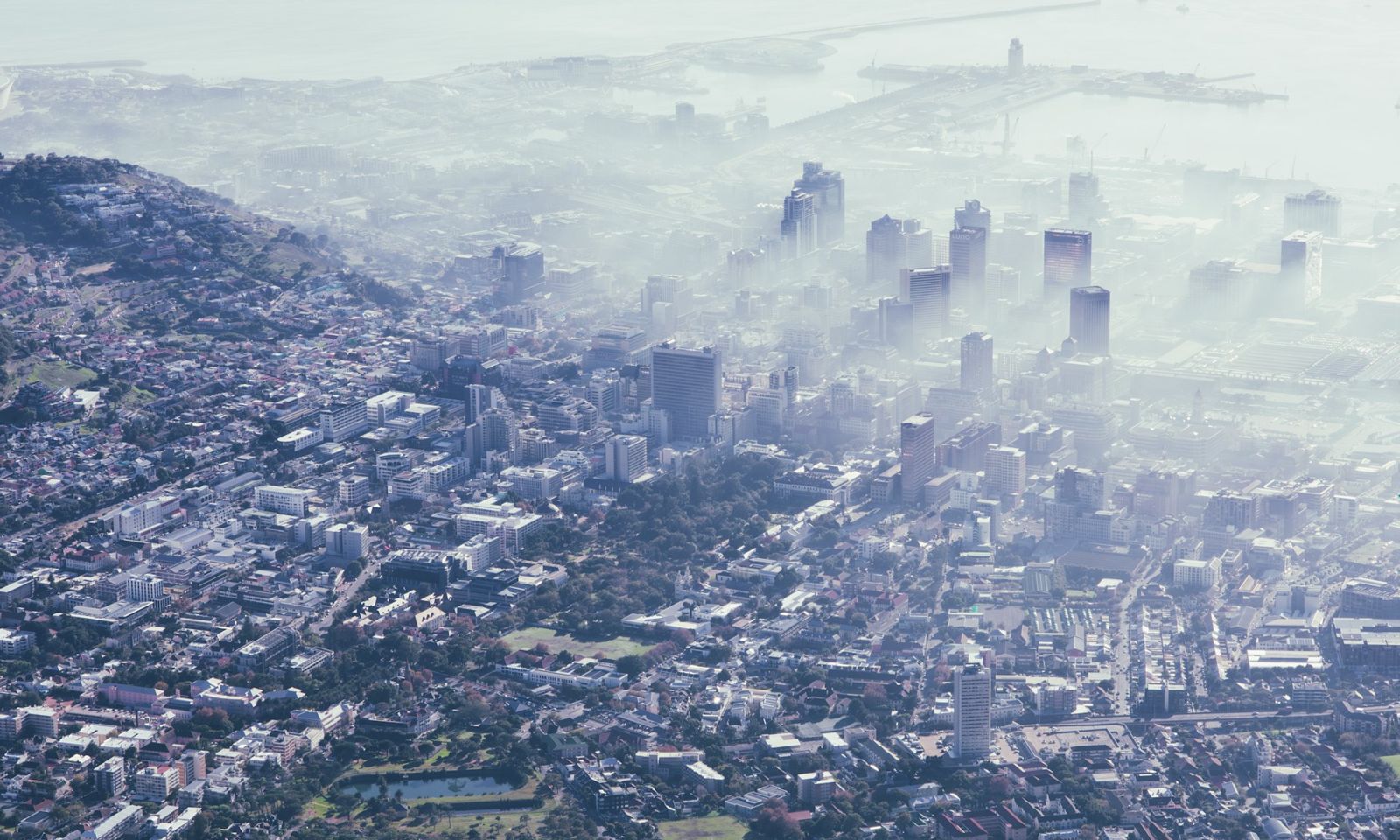
The right to the city: access and mobility 32 years after apartheid In South Africa, apartheid-era divisions still shape young people’s mobility and access to the city. By Susan Forde
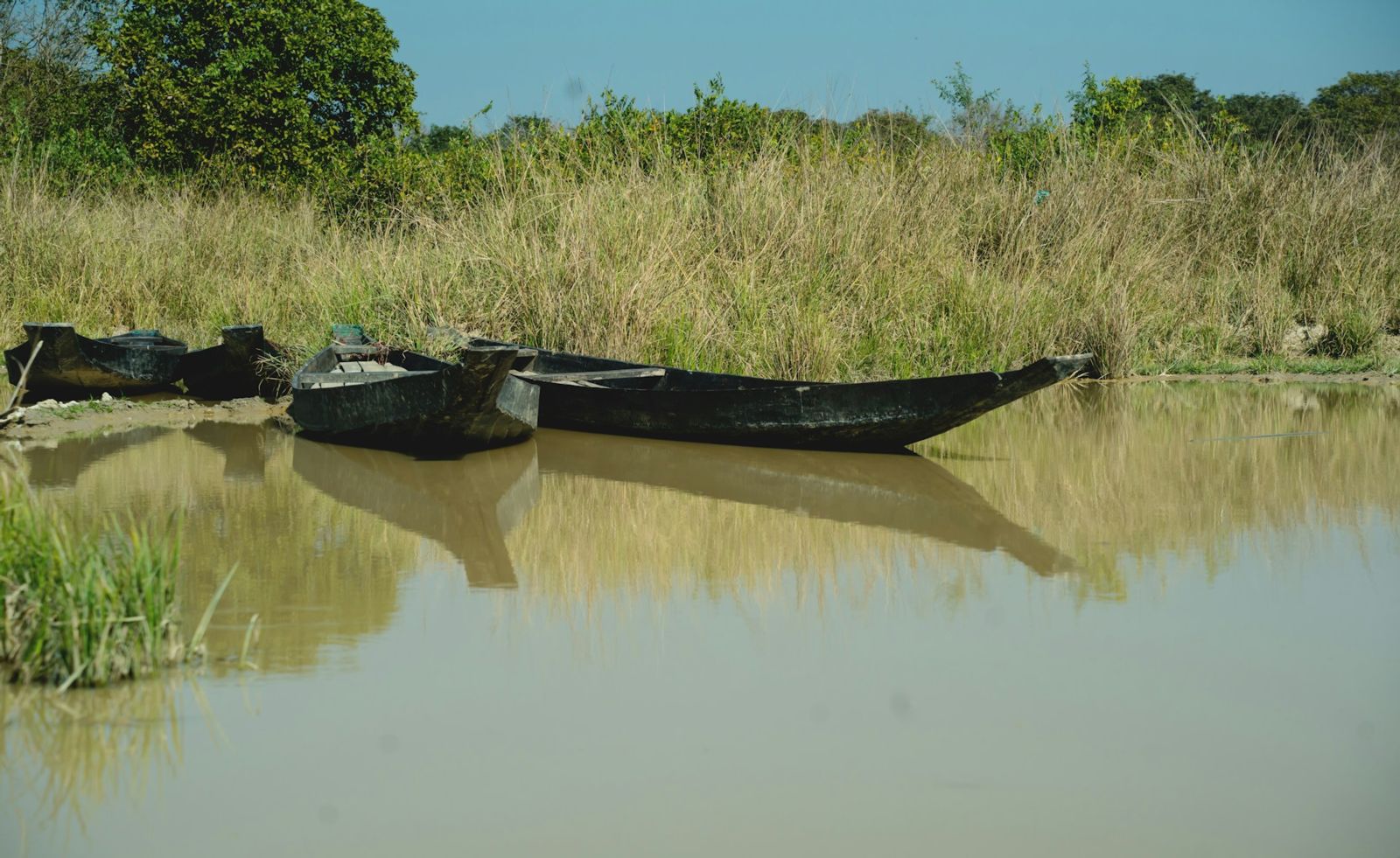
A new step to protect haors and wetlands in Bangladesh A recently introduced law strengthens the enforcement of environmental protections in Bangladesh. By Maria Afroze
The right to care: why international law still fails to guarantee equal parenting Existing labor protections reinforce gender inequality by assigning the primary responsibility for caregiving to mothers. By Ramona Vijeyarasa
Beyond donor dependency: state accountability in funding women's rights States must invest in sexual and reproductive health access for marginalized women worldwide. By Chloe Watts
Can the “human rights economy” rebalance power in our politics? Shifting focus from disparity of wealth to disparity of power could help redress economic inequality. By Maia Borchardt
The economics of pro bono legal representation In Africa, pro bono legal work struggles to fill a crucial gap between limited legal aid systems and demand for representation. By Zainab Onuh-Yahaya
Anti-gender politics and threats to democracy at the UN Conservative governments and organizations are using the language of human rights as a smokescreen for regressive ideology. By Natascia Boeri & Liz Mount & Tamanika Ferguson & Manisha Desai Français
How to resource human rights NGOs in a new era Social justice organizations need alternative, independent, and flexible sources of funding to build sustainable futures for the human rights field. By Louis Bickford & Nicolette Naylor & Merrill Sovner
How repression erodes collective agency Convincing the public that collective action is ineffective is one of authoritarianism's pernicious threats. By Esset Samatova
Rethinking rights impact: toward “all rights for all people” The human rights movement needs to keep long-term goals in focus, especially in moments of crisis. By Dan James & Mona Younis
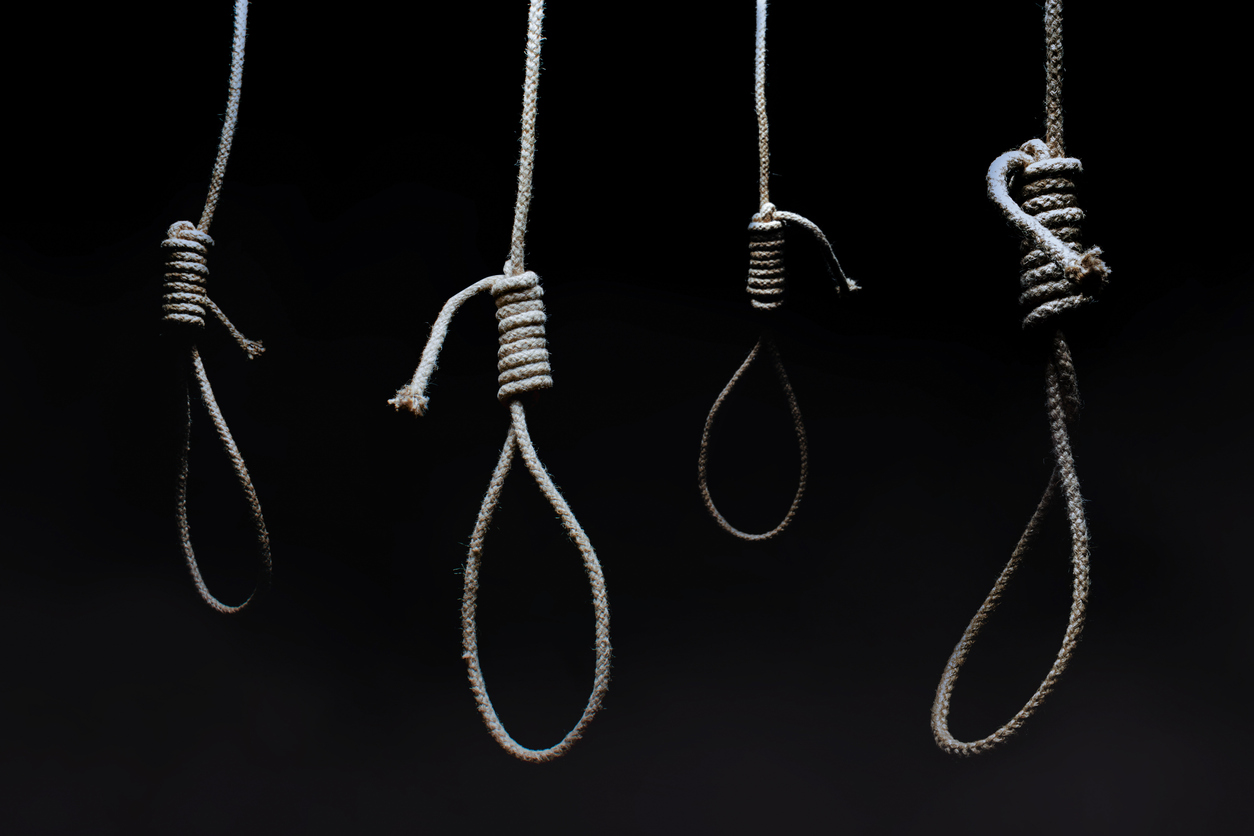
Botswana: a lone executioner in Southern Africa Botswana’s new leadership faces a moral test: abolishing the death penalty. By Wiriranai Brilliant Masara & Alvin Ntibinyane
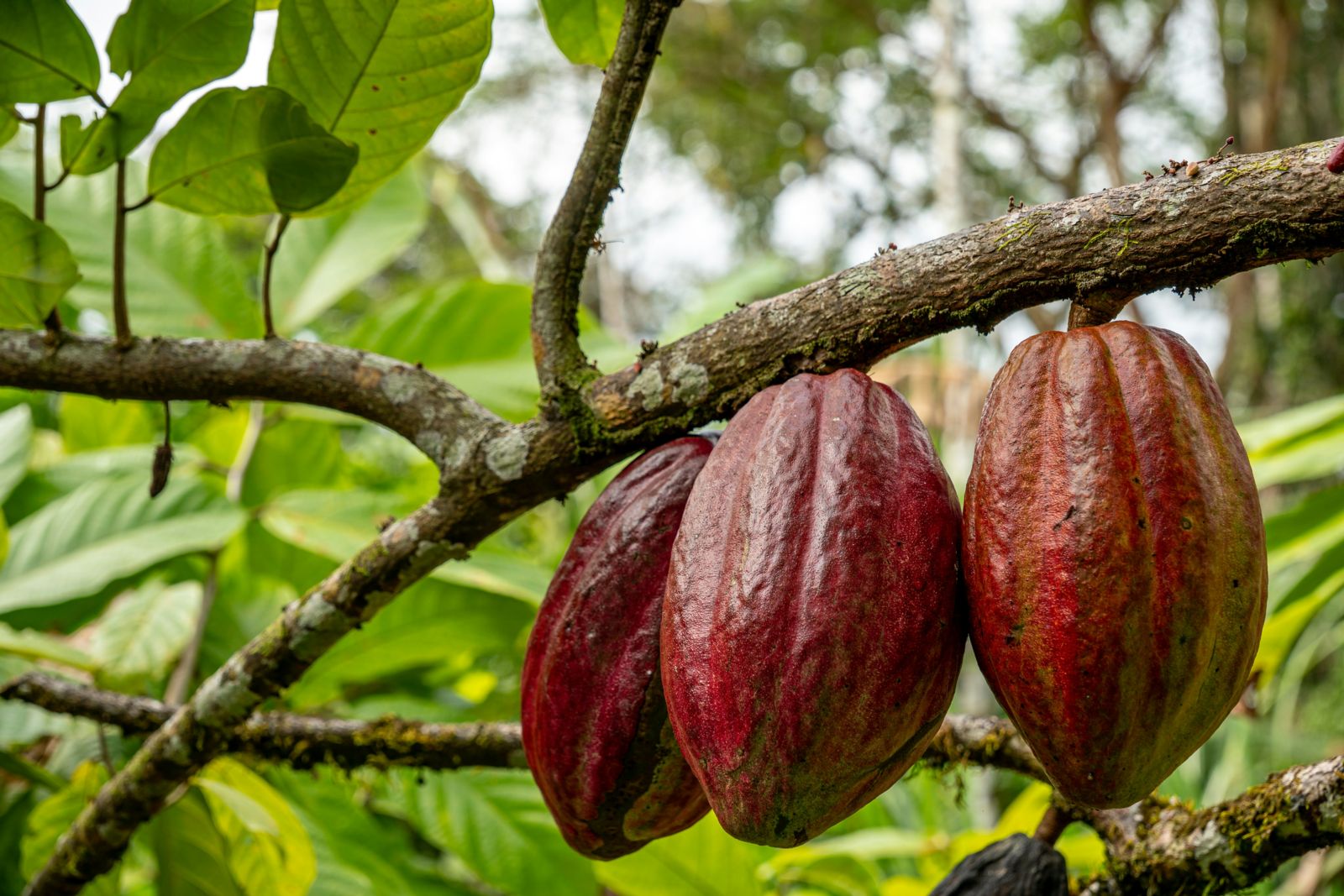
What’s in a tree: supply chain reform protects forests and human rights Accountability and tracing mechanisms used in the cacao industry can provide a model for sustainable practices in other industries. By Whitney Paige Richardson
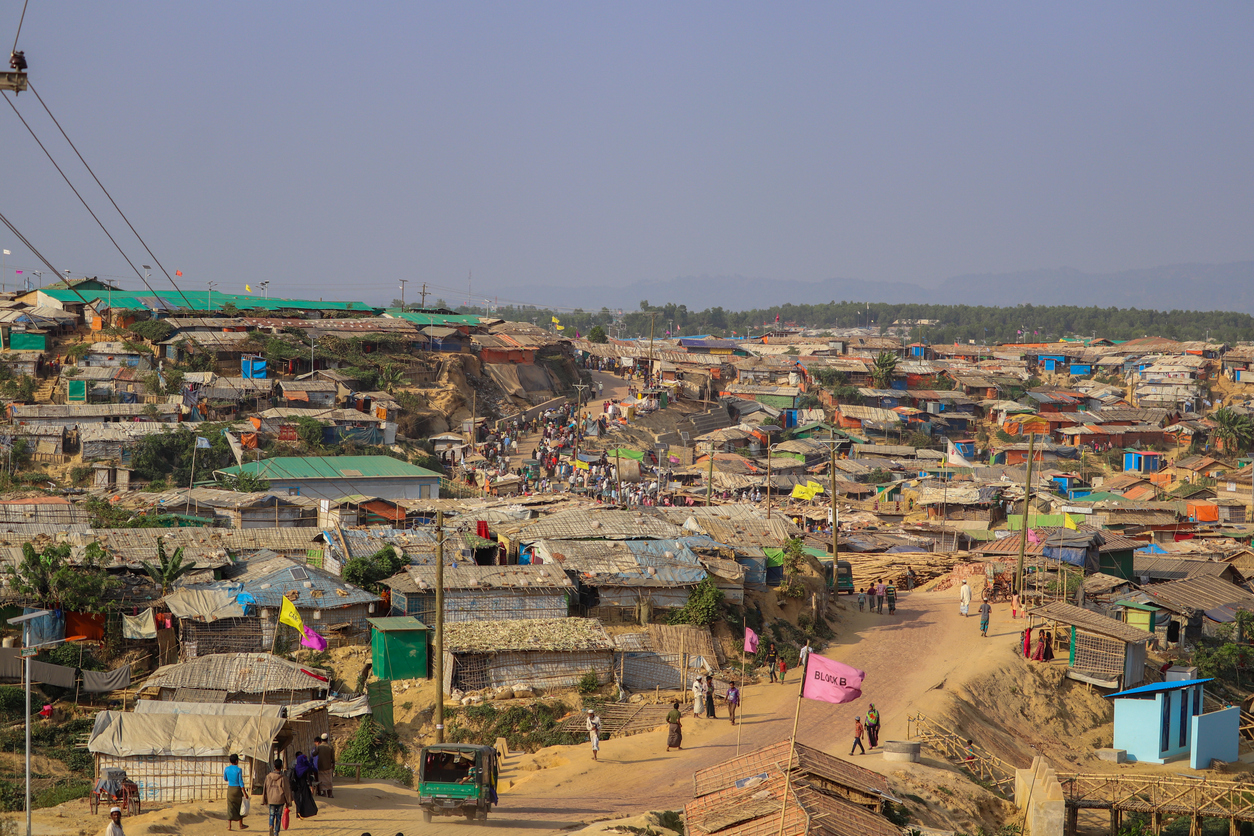
Stateless by design: how systemic exclusion sustains the Rohingya human rights crisis Humanitarian aid is essential following systemic violence and displacement, but it cannot build durable solutions on its own. By Maung Solaiman Shah
Exile is not a place. It is a condition you carry. Displacement is often measured geographically, but for many in diaspora communities, exile persists psychologically long after borders are crossed. By Bahareh Sahebi
A right called democracy The Inter-American Court of Human Rights must recognize democracy as an autonomous right before democratic erosion becomes irreparable. By Javier El-Hage & Sergei Korotkov & Mariana Atala & Ezequiel Podjarny
The violence CEDAW cannot see: Malaysia’s obstetric accountability gap Mistreatment of women in delivery rooms often remains invisible to both domestic and international human rights law. By Miyo Tanaka
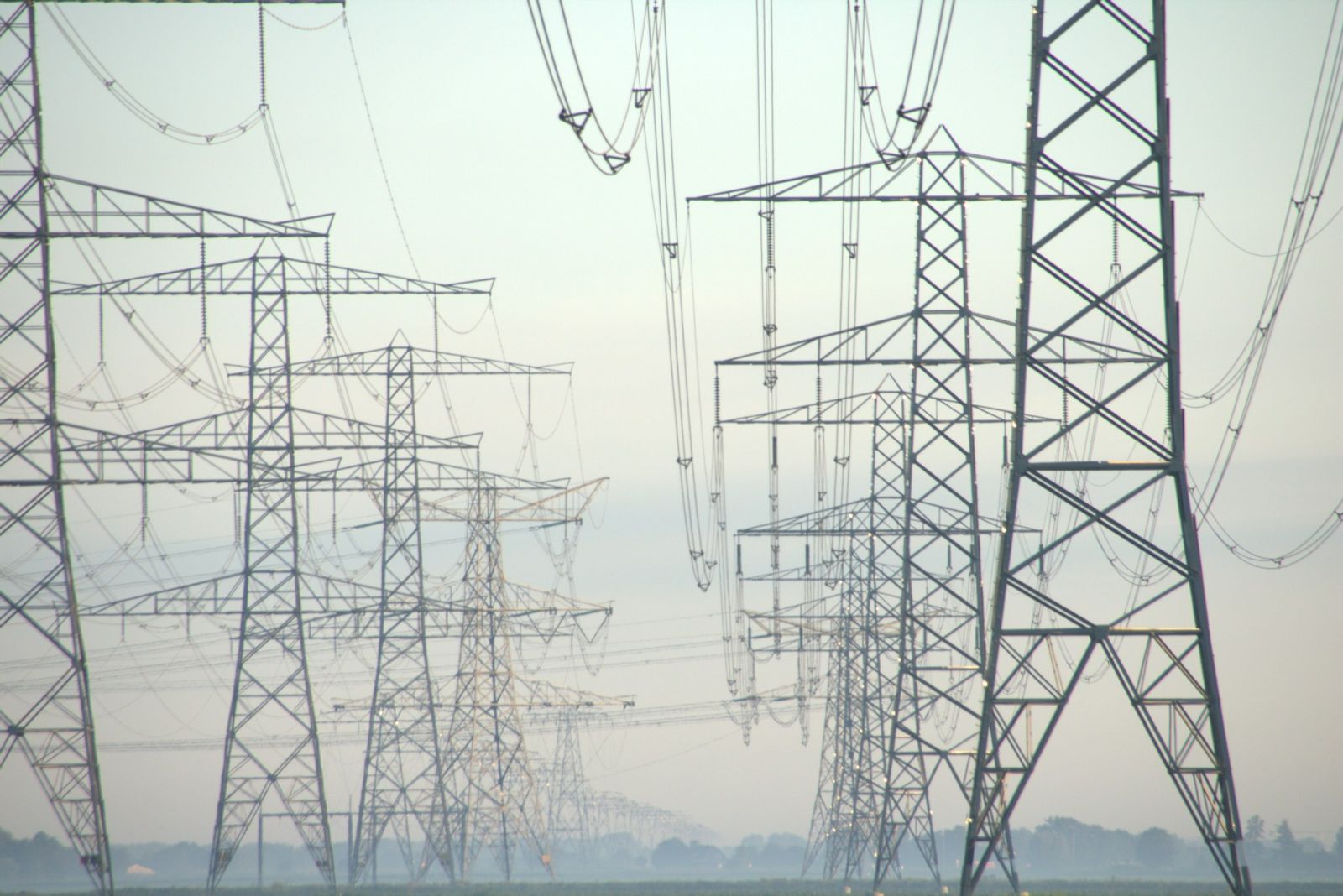
Disability and electricity dependence: a dispute between rights and the market Access to energy is a human right and a matter of life and death for those medically dependent on electricity. By Flavia Palavecino
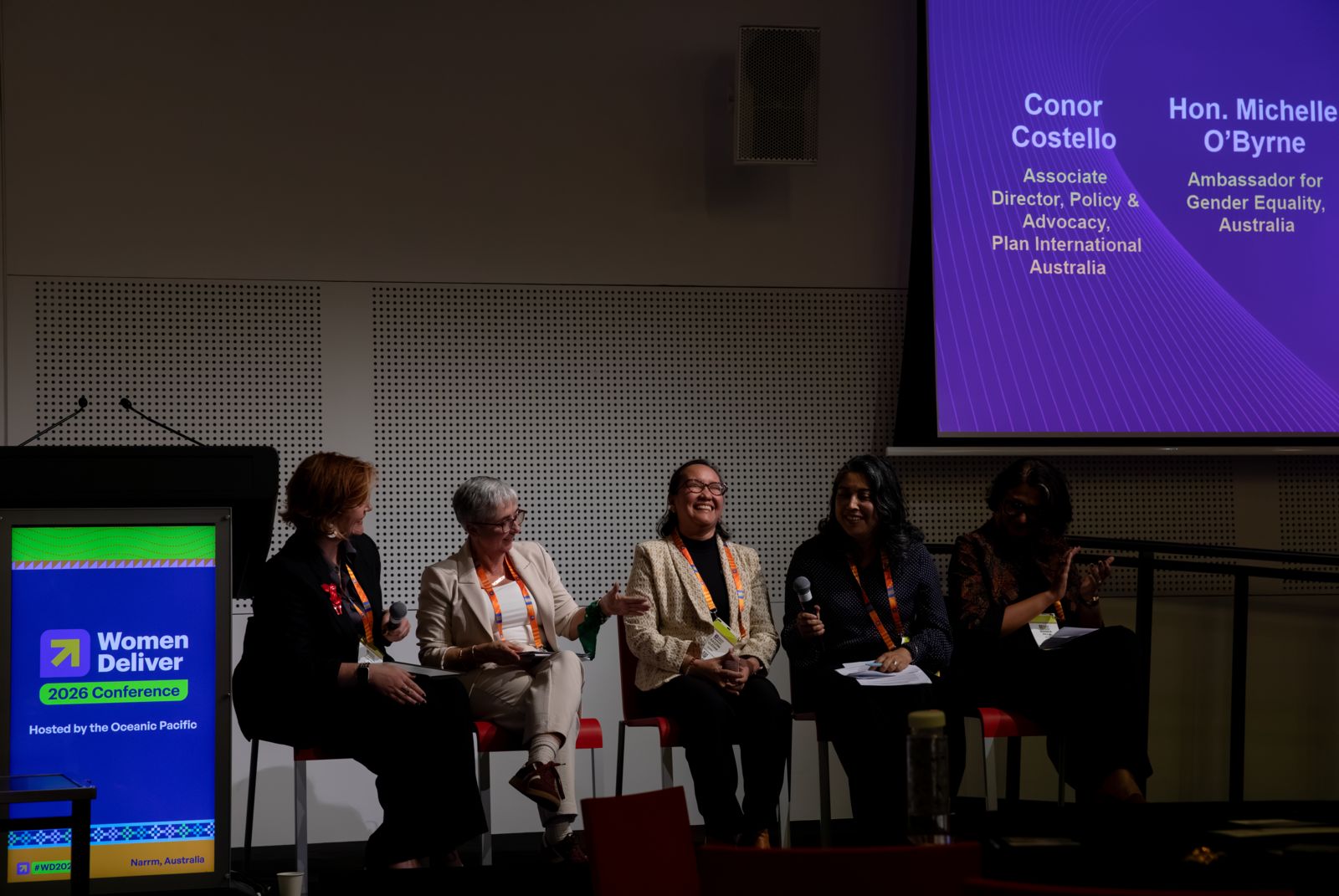
Go where you are not allowed: contesting global civic space The cancellation of RightsCon 2026 demonstrates the growth of transnational repression and the fragility of the contemporary human rights ecosystem. By Samuel Chu
When ideology becomes curriculum PragerU’s ideologically driven pedagogy threatens children’s right to education. By Kelly Doyle
Human rights NGOs facing the collapse of the liberal order As the United States withdraws from international institutions, the human rights movement must adapt. By Jean-Claude Vignoli
Weaponizing internet shutdowns in Iran: the emerging risk of crimes against humanity Communications blackouts help human rights violators avoid accountability and hide the full scale of their violence. By Atefeh Hosseini
Policy without political will: Kenya’s adolescent pregnancy crisis The failure to effectively implement policy is a form of structural violence and a violation of human rights. By Sulakshi Ram
When Detention Becomes Punishment Before a Verdict Structural inaccessibility in India’s criminal justice system violates the rights of persons with disabilities. By Vikas Gupta
Children’s rights in war: a crisis of global accountability As conflict spreads, selective enforcement of human rights erodes protections for children. By Manish Thakre
Religion and rights: inside the movements reclaiming gender justice Religious activists can bridge the communication gap between human rights advocacy and faith traditions. By Marie Juul Petersen & Kaja Borchgrevink Español
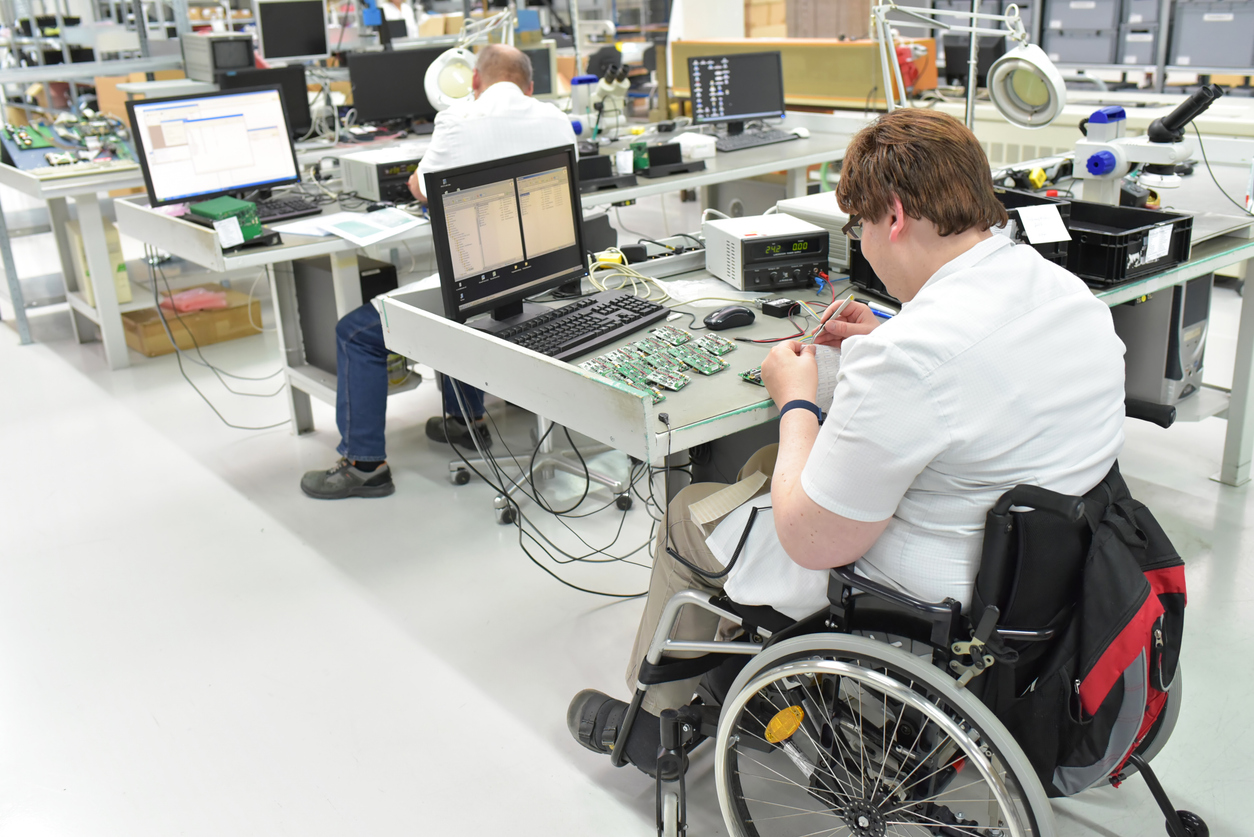
Why the right to work still falls short for persons with disabilities Despite human rights protections, employment discrimination against those with disabilities remains a global problem. By Lucila Anahí Guerreiro Español
The loneliness epidemic: why state failure to integrate is a human rights violation Loneliness and social isolation have a destructive effect on both individuals and society at large. By Sonja Meijer
The silence of the arms industry on children’s rights The arms industry relies on delegating responsibility for the human rights impacts of its products. By Tracey Holland & Mary Lemza Español
Transparent calibration: confidence levels in human rights reporting Communicating uncertainty isn’t a weakness—it reinforces the credibility of human rights advocacy. By Nicolas Agostini Español
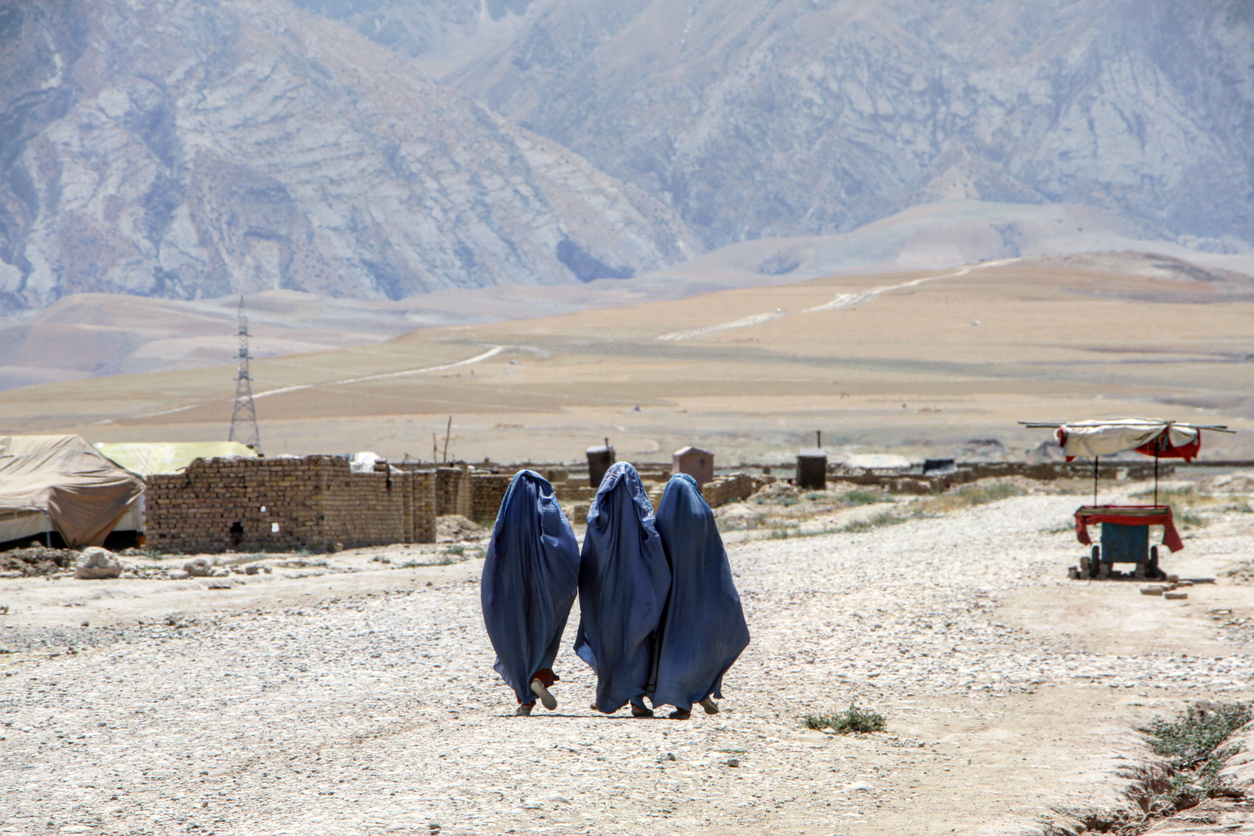
When women’s rights become negotiable: Afghanistan and global human rights The failure to protect women’s rights in Afghanistan undercuts the credibility of human rights around the world. By Ebru Akgün Español
Political exile and Europe’s human rights obligations beyond borders Transnational threats to human rights demand an expanded understanding of states’ jurisdictions. By Hossein Amjadi
New trends in transitional justice: key takeaways for policy Transitional justice is still central to safeguarding democracy and human rights. By Geoff Dancy & Phuong Pham & Kathryn Sikkink & Patrick Vinck Español
Why the human rights movement needs hard conversations now The future of the human rights movement depends on collective reflection, grassroots power, and renewed legitimacy. By Lucila Santos Español
The empathy deficiency Indifference exacerbates humanitarian crises and makes them more difficult to address. By Kayla Hill Español
Beyond diagnosis: the psychological toll of Myanmar's compounded crises The cumulative psychological impact of conflict, displacement, natural disasters, and rights violations presents a serious danger for Myanmar’s future. By May Thet Nu Noe Español
Omitting dentistry from global diagnostics is a human rights failure Diagnosis and treatment of oral diseases are key to a truly equitable health system. By Mannat Tiwana Español
Global Caste is missing in conservation discourse The concept of caste provides valuable insights into discrimination against Indigenous Peoples worldwide. By Sushil Raj Español
Funding cuts, authoritarian pressure, and what’s next for human rights and civil society We must transform the structure of human rights work and funding to fight back against authoritarianism. By Natika Kantaria Español
















.jpg)


.jpg)